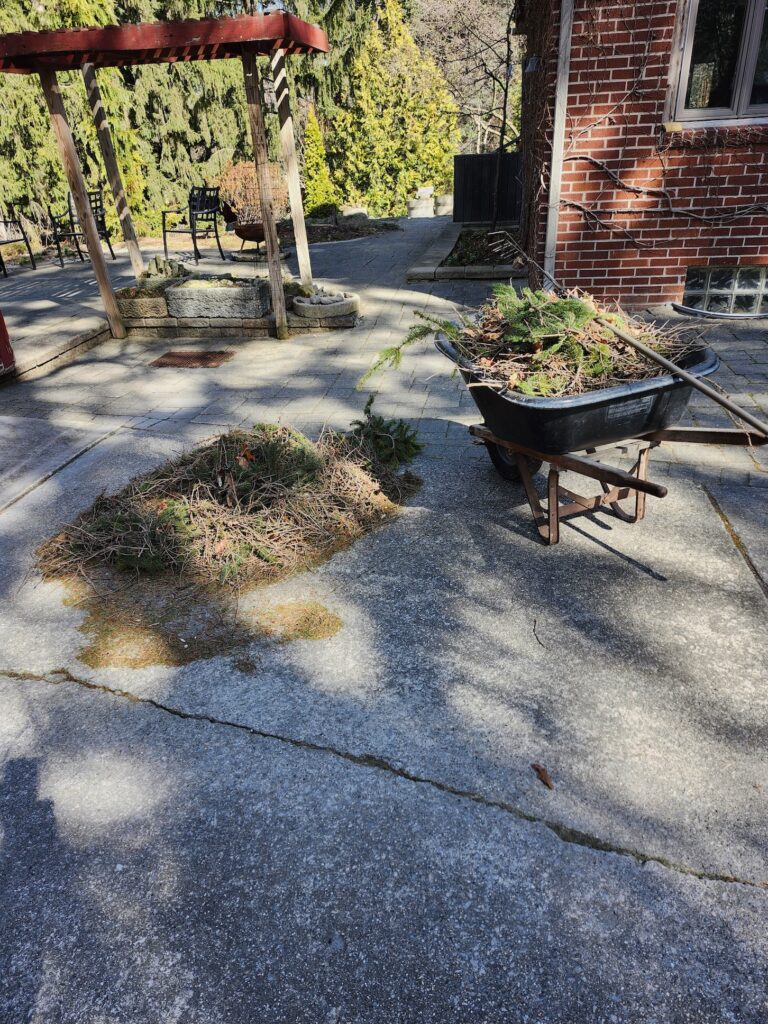
I’ve been fiddling around, working on the following post over the corse of this Summer.
As with much of the upper midwest and northeast, we’ve had some bouts of very bad air quality due to wildfires burning in Minnesota and across Canada.
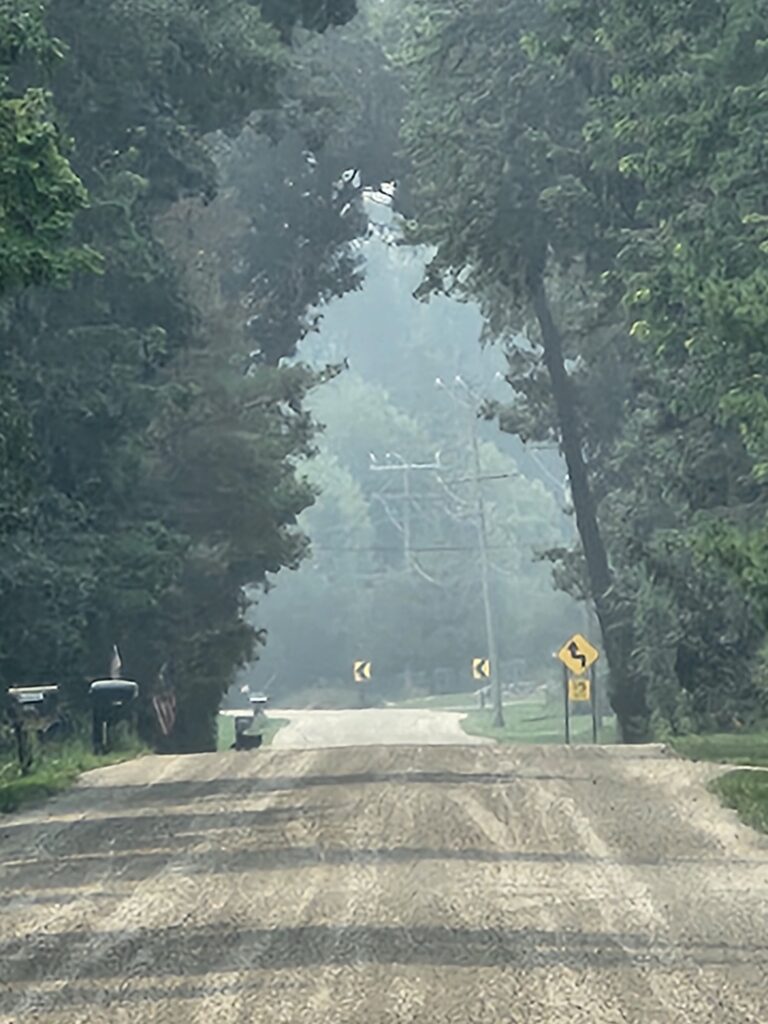
Some day’s the visibility was a little better than others.
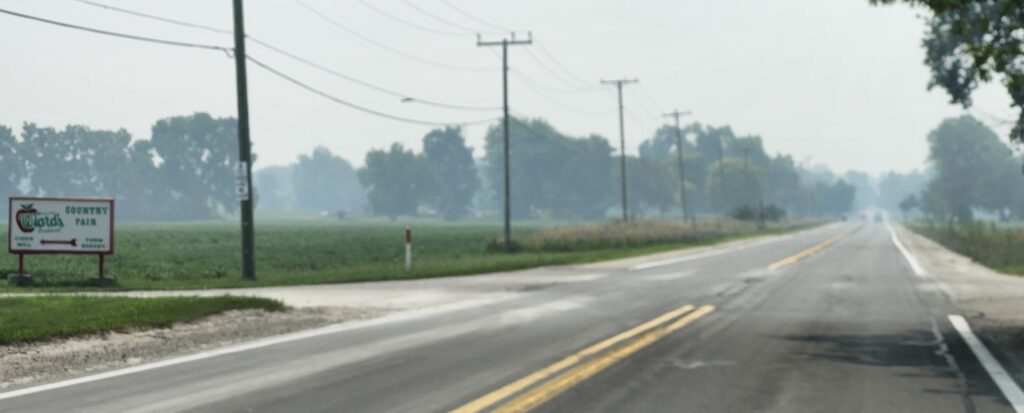
But still, there was sufficient smoke in the air that prevented me from going to continue working on any of my current projects. I did manage to weed one bed early this morning, but decided against hanging outside for hours as I did the day before. That day, a fellow gardener stopped by to pick up an extra Bluebird nest box and mounting pole. After some discussion about Bluebirds, and a quick tour around the garden, we were joined by Andrea where we sat outside and chatted. When we finally came indoors ( several hours later ) I had a noticeable, scratchy throat from sitting outside in the smokey air!
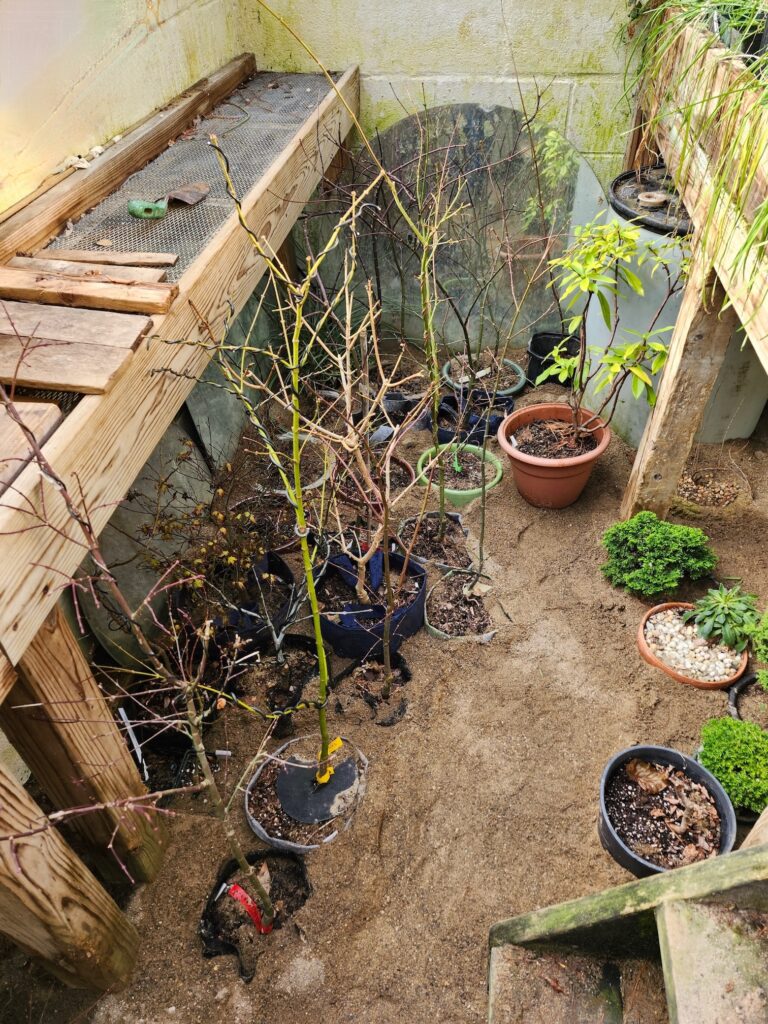
One of my missions this summer was to get as many of my potted Japanese Maples planted out into the garden. Or rather, plant out as many of those JM’s that had their root systems “opened up”.
When ever I purchase a new potted JM ( dormant or not), I knock it out of its pot, very lightly tease the outer roots of the rootball without disturbing the rootball too much, and repot it into a poly, grow-bag, the next size up, using a prepared soil-less potting mix that follows that used by MrMaple.
As I garden in SE Michigan winters are too severe to leave potted Japanese Maples outside in the cold. I place all of my potted JM’s into the Pit-House to overwinter. Later, when I notice the buds on the trees in the “Pit” are starting to swell ( usually late February to Early March ) I bare root the new trees, trim excess roots as well as damaged, or crossing branches, and repot into another poly, grow-bag ( often the next size up ) making sure that the flare roots are well spread apart from one another as I backfill. I’ll grow these trees with “opened up” root systems on another year before planting them out into my garden. Not only am I planting out trees that I’m sure won’t be strangled by tight-fisted flare roots as they grow, but the additional year of container growing means that I’m planting a larger tree into the open garden. Another advantage of growing JM’s in containers, is that they can then be moved about the garden, trying them out in various sites, until I can find just the right site that suits each one best.
As the heavy clay-loam that makes up most of the soil in my garden is not the ideal medium that JM’s prefer, nearly every one of these acer’s require a planting site, where an improved soil mix is mounded up above the clay-loam soil.
One such site was on a slope and would have required a lot of backfilling. so in order to reduce the yardage of sand and pine bark, I moved a portion of a fairly large tree trunk to use as retaining wall.
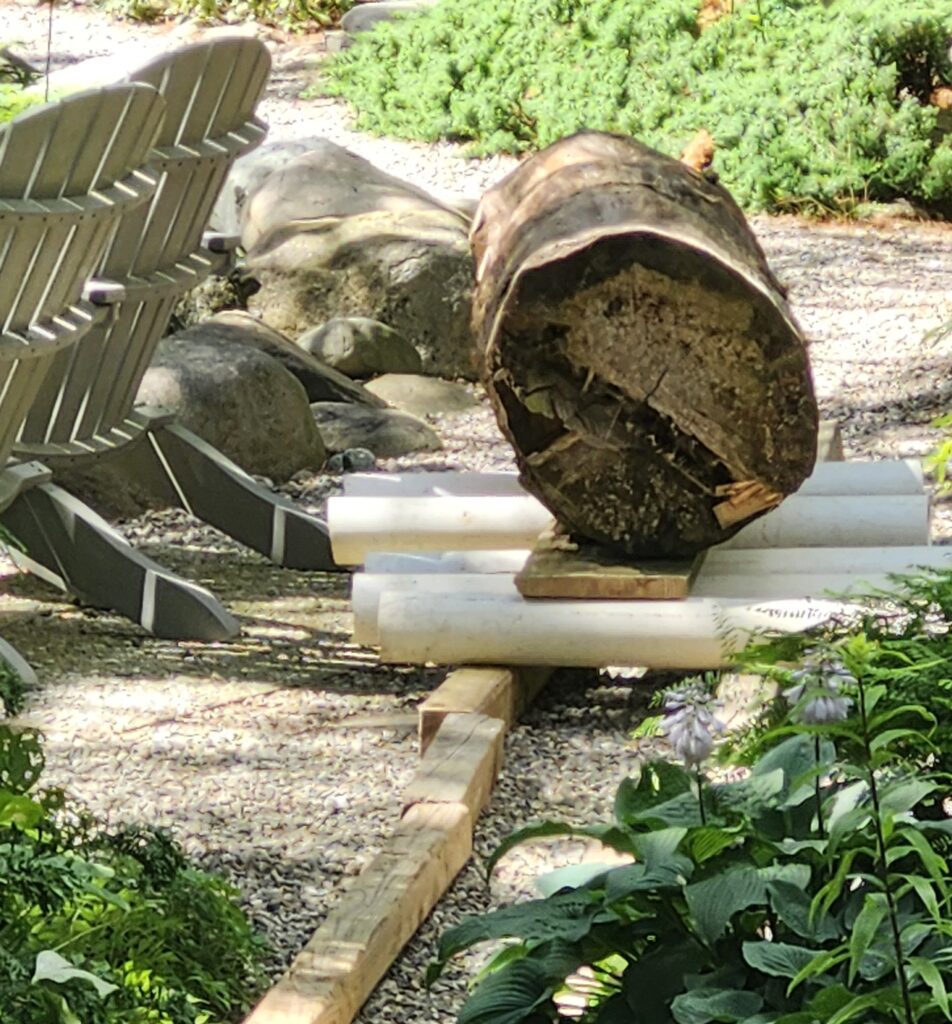
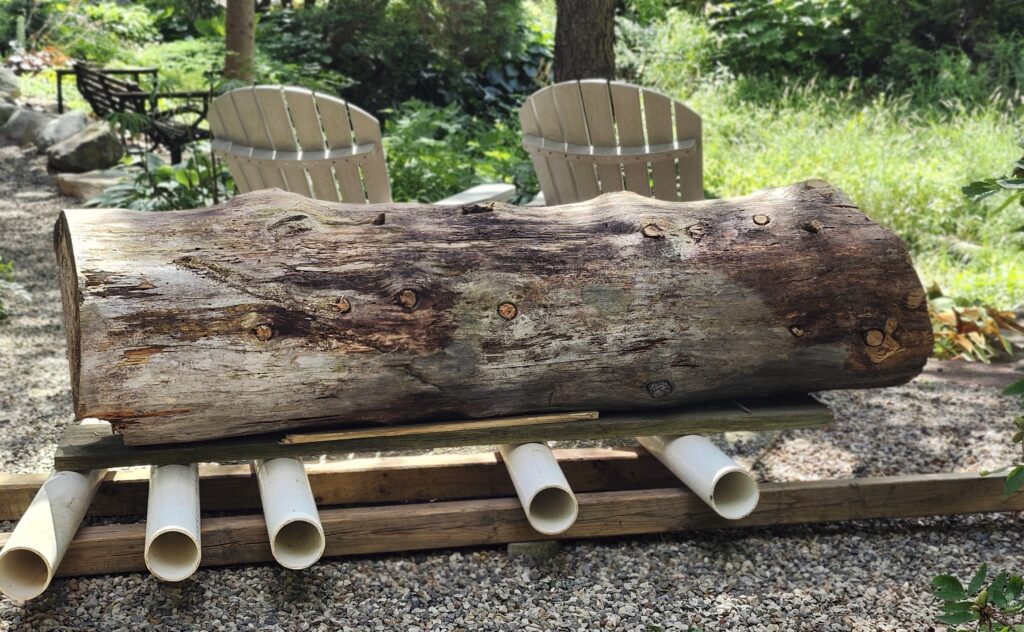
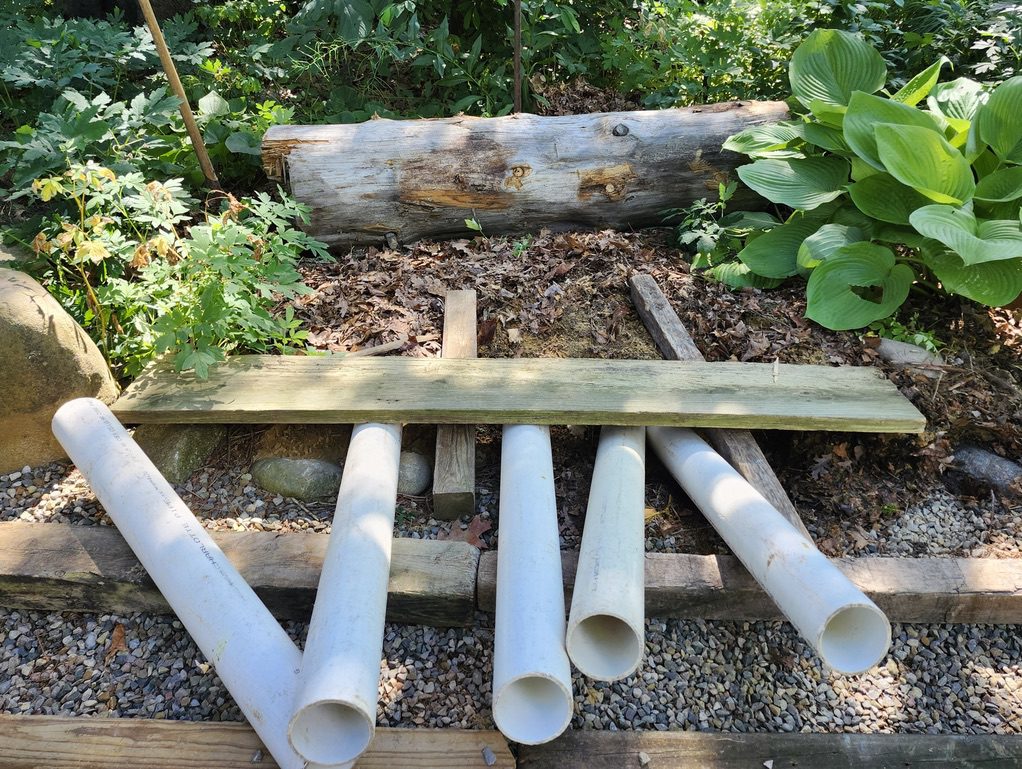
Acer palmatum ‘Frosted Purple’ planted below.
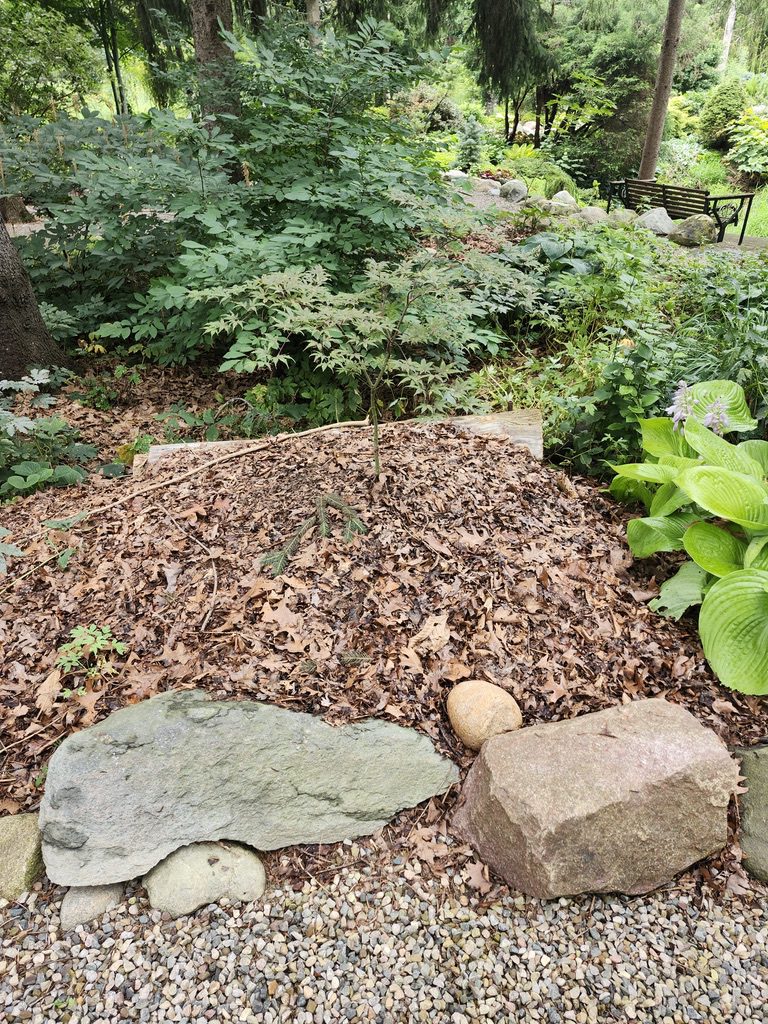
Another ongoing, project this summer has been the installation of a retaining wall, made of fieldstone collected over the past 2 years.
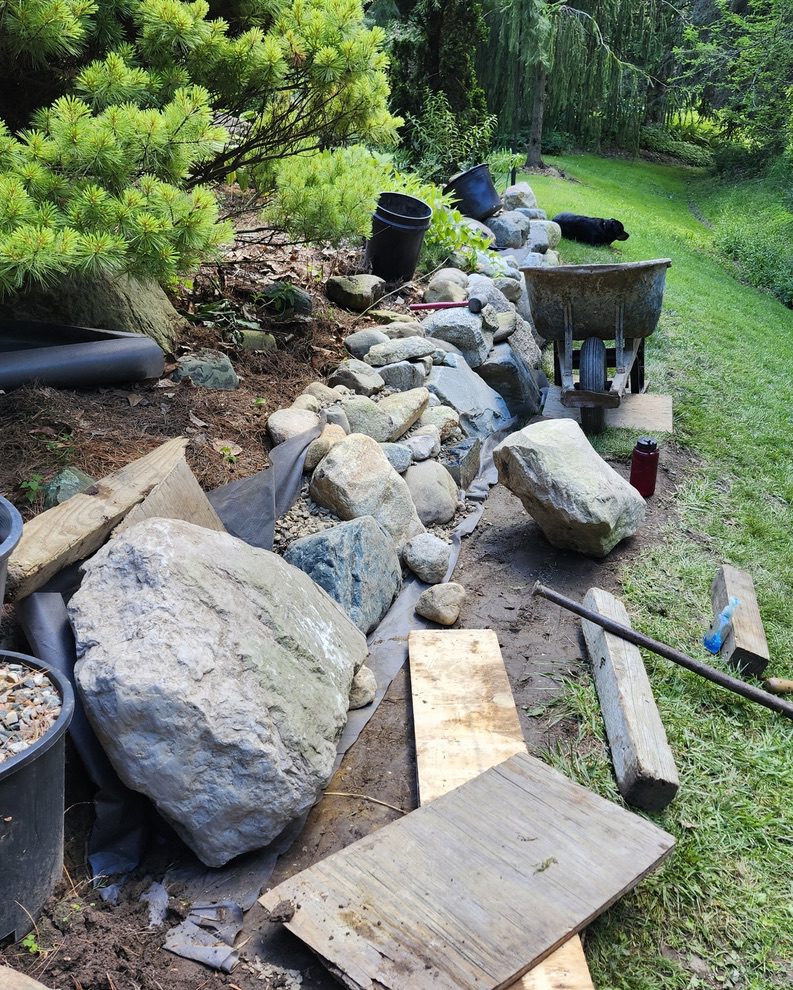
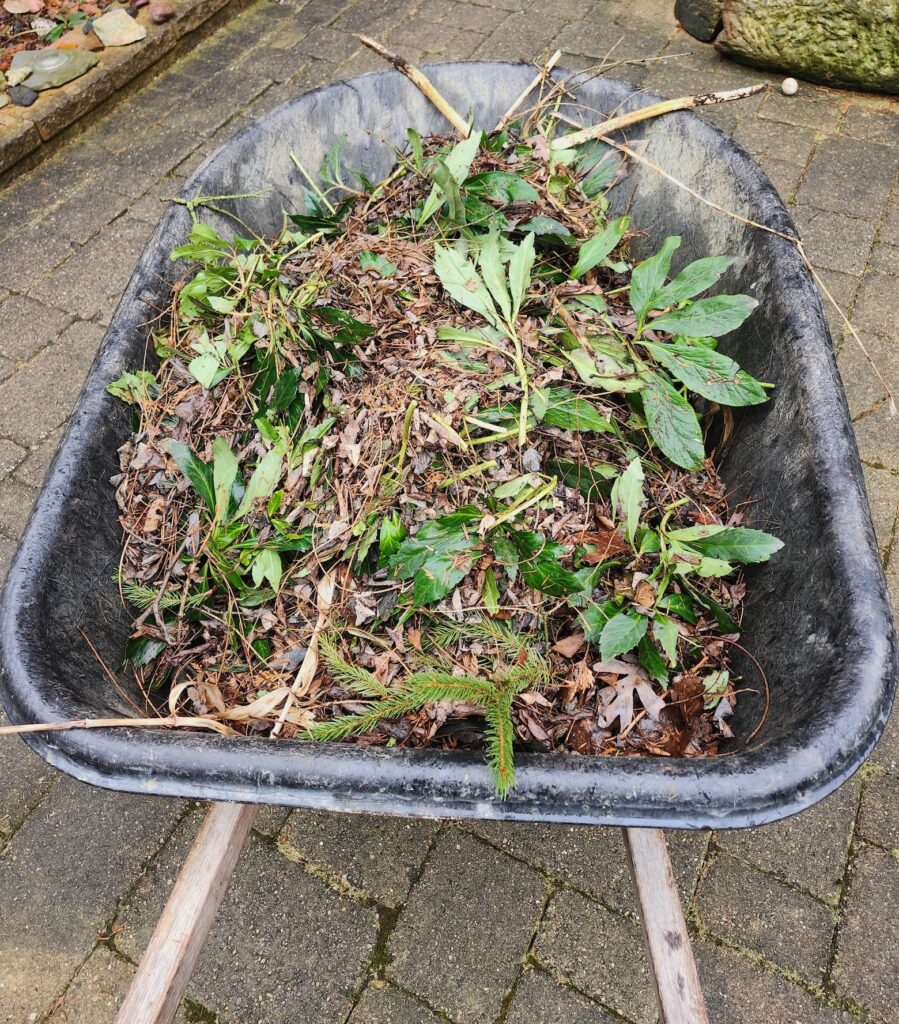
For years I’ve wanted to cut a level pathway between the bed that’s located between the pond and the ditch that Ever-SO-Often creek runs thru. The excavated soil from this project is shoveled into a wheelbarrow and transported to yet another ongoing project.
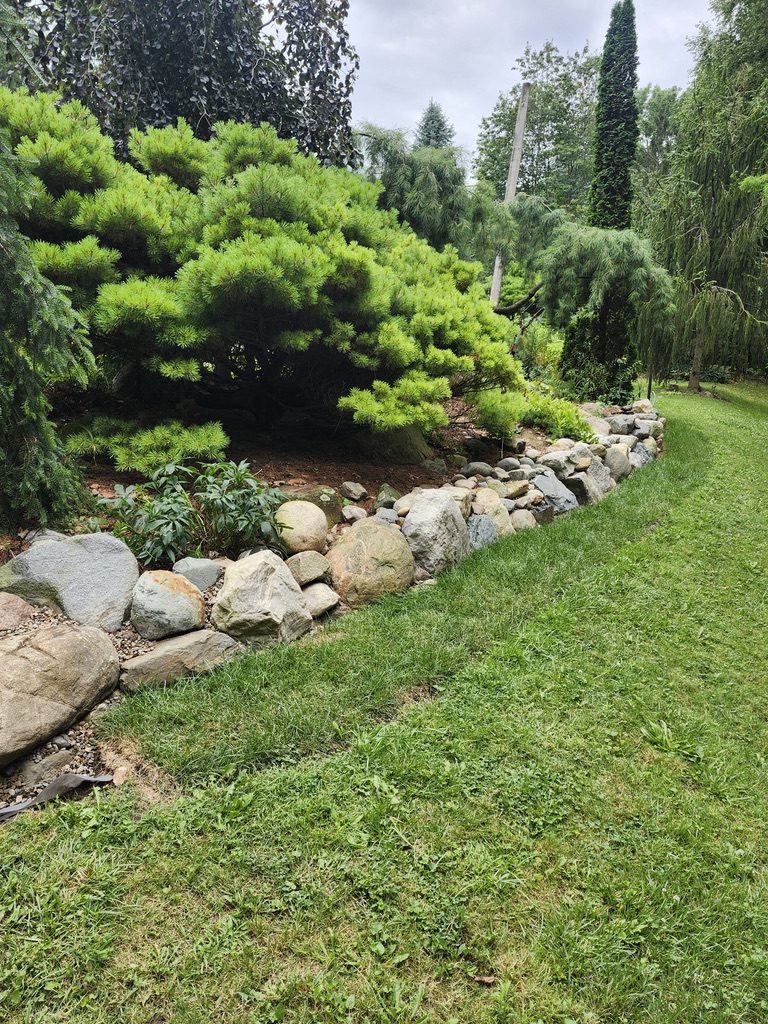
View of completed work so far. This pathway is being extended further on to the left, so more soil excavation is needed.
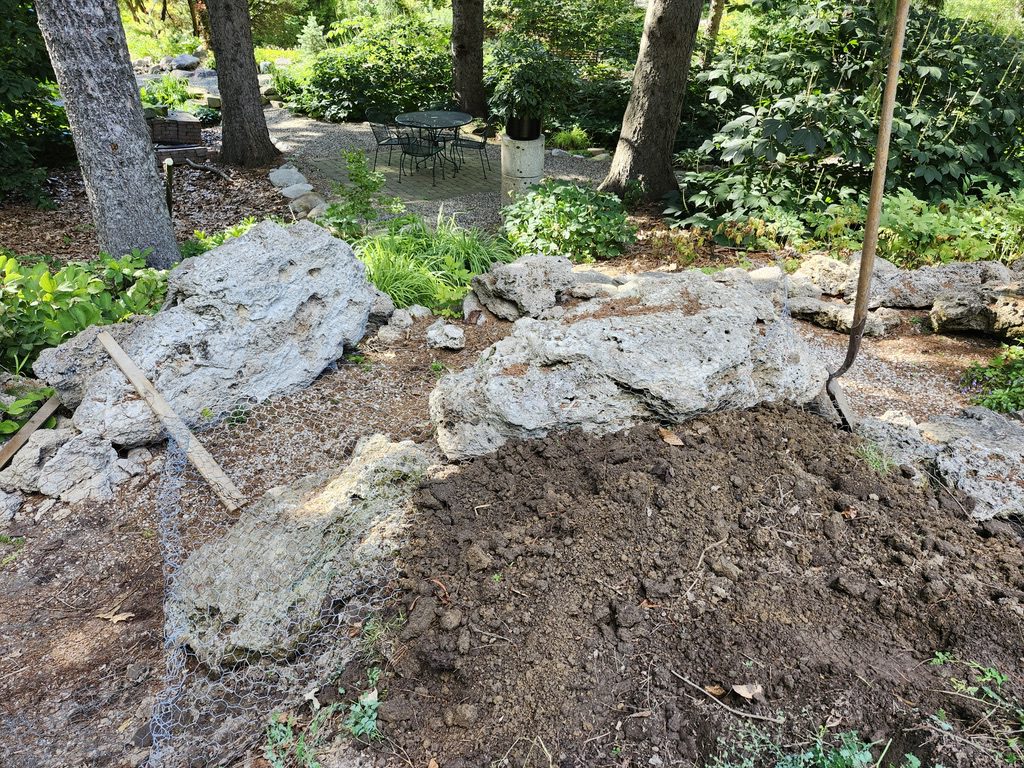
It just so happens that the soil removed from the previous project, is needed here at this one, another retaining wall. This raised bed, on a slope is being constructed using tufa, Some of these larger pieces of tufa have been laying around for decades. Backfilling the uphill side of this retaining wall, is going to require more dirt than my fieldstone retaining-wall project is generating.
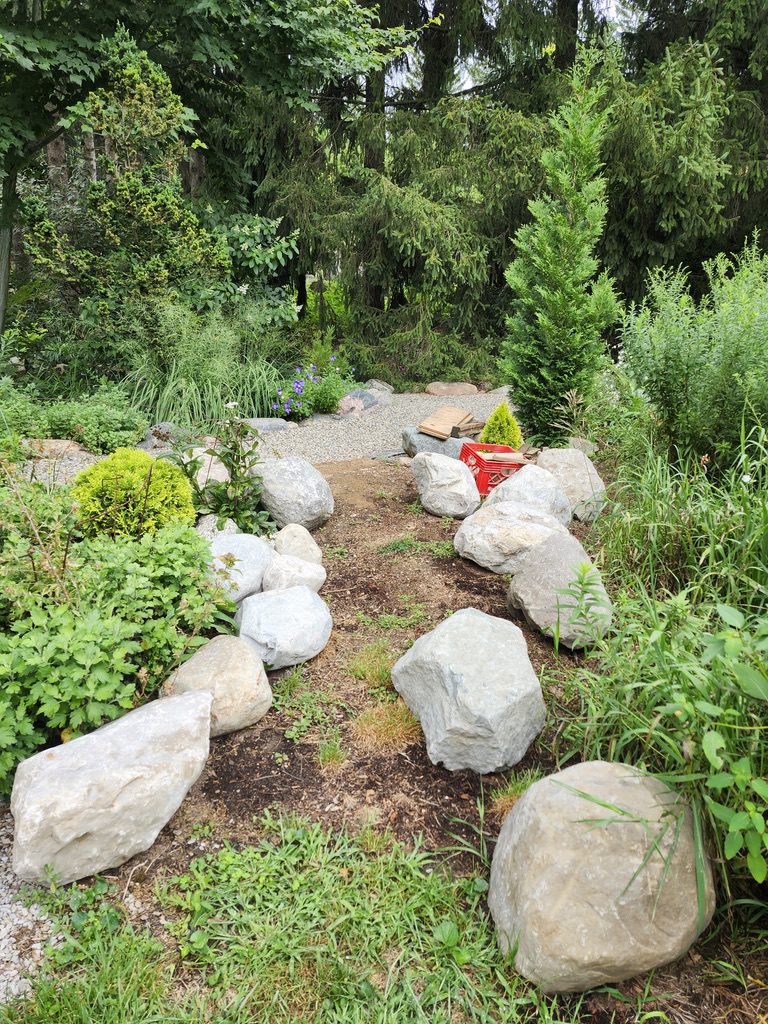
Fortunately, there’s yet another project to be completed ( hopefully this year ) a rather short path that will connect 2 others. Rock collecting is well underway, the soil excavated from this new path, will likewise be transported up to where the Tufa wall is being constructed.
Landscape fabric will be laid down ( in the as yet to be excavated bed) of limestone pathway. The Limestone boulders will be set into position along the sides of the path, and finally 4-6″ of crushed, Limestone gravel laid down for the path itself!
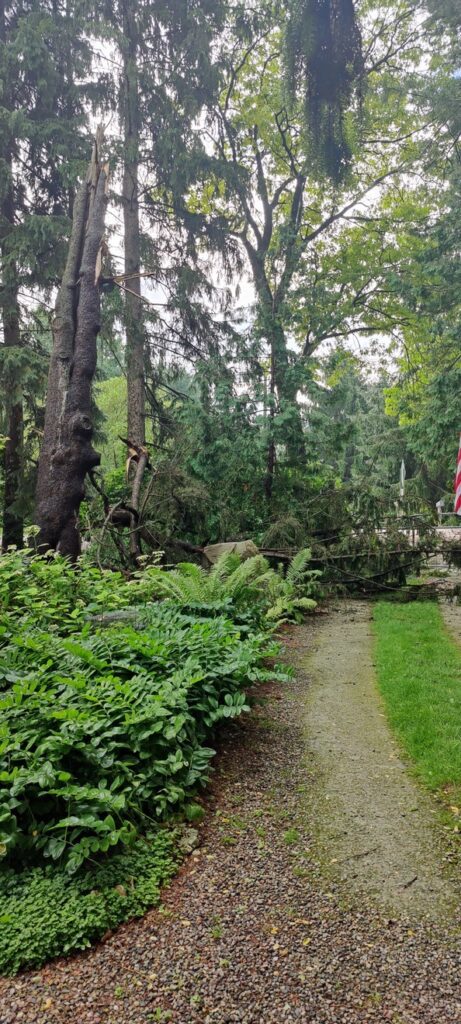
I’m quite sure that as with most gardeners, external forces give rise to unexpected projects.
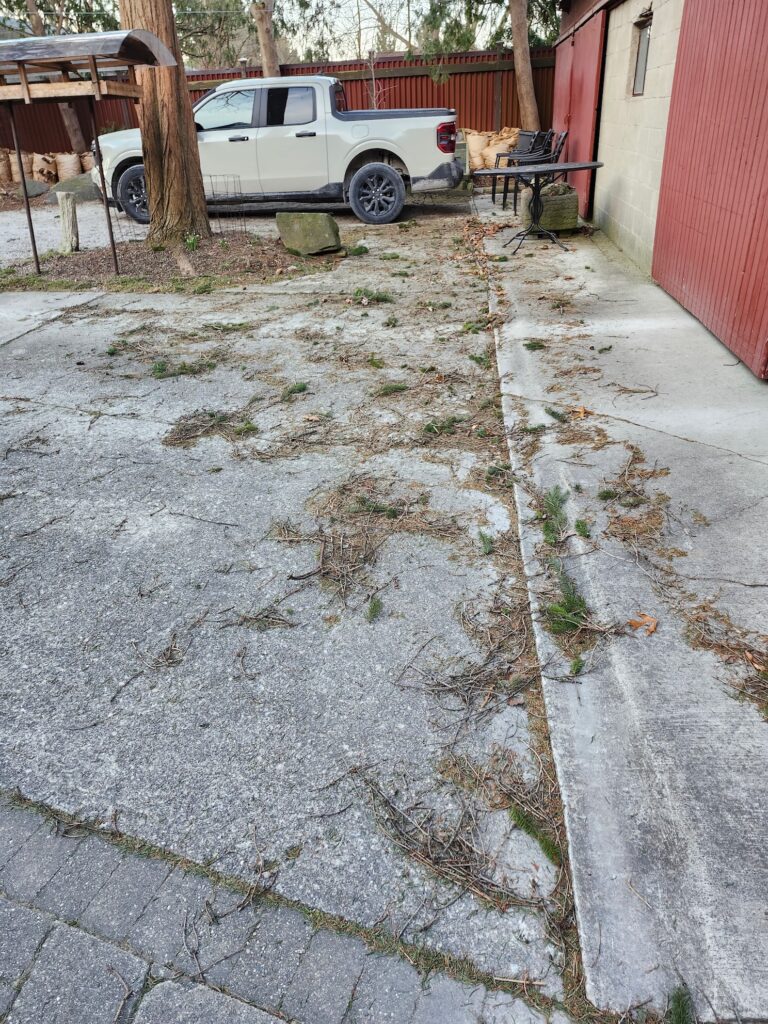
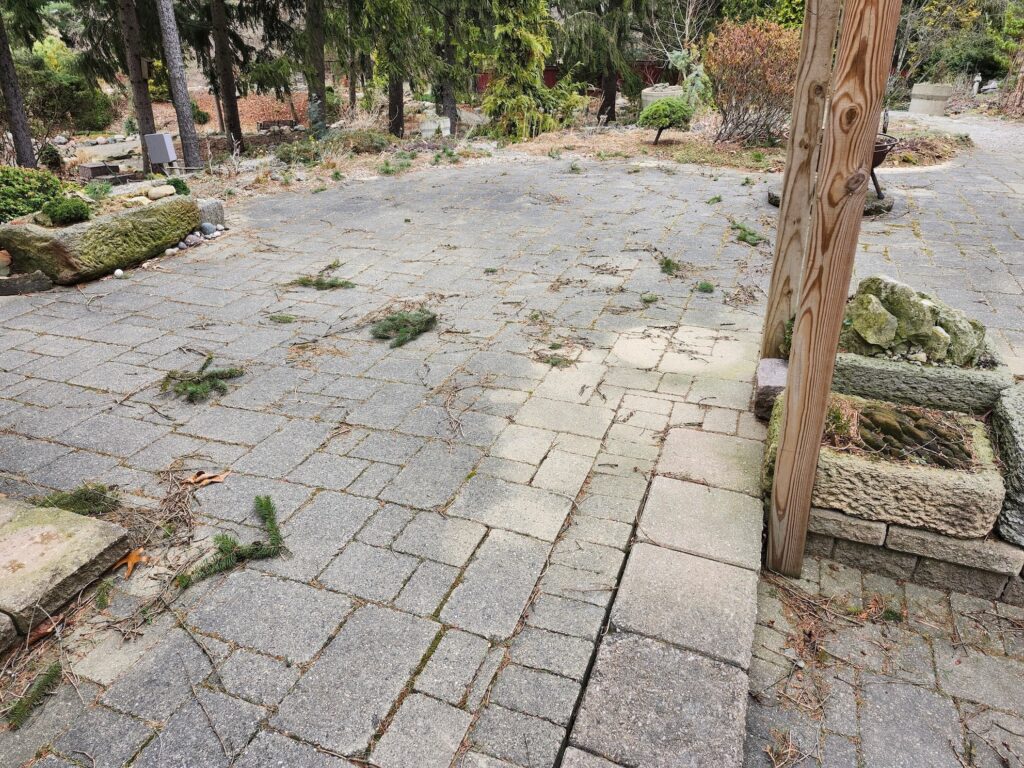
One such incident transpired while we were away. A storm brought down the top of the oldest Norway Spruce in the garden.
Actually, I couldn’t be happier. The top of this tree was too high for me to access, as there were no lower branches to climb up. This prevented me from dropping this tree in sections, and there wasn’t room to fell it in one piece.
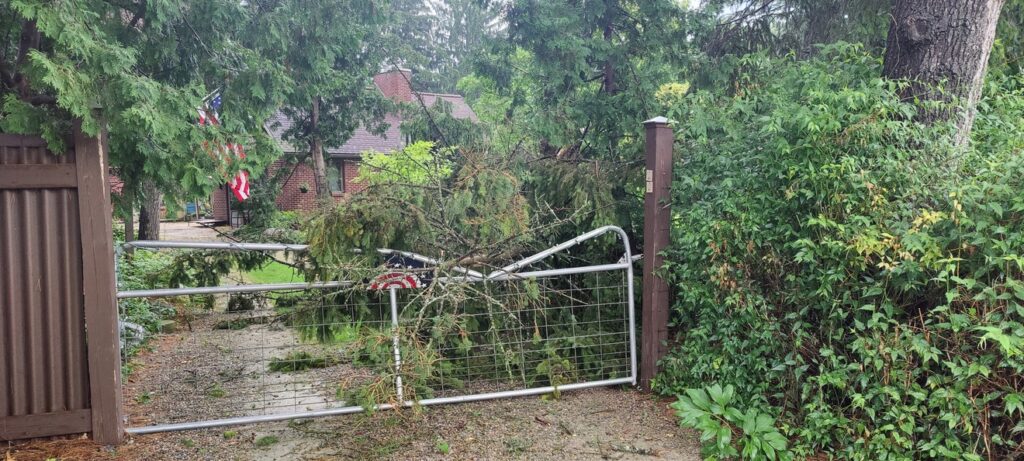
Now that the top was on the ground, removing the rest would be easy. Most fortunately, our fabulous neighbors had cleared away the debris before we returned home.
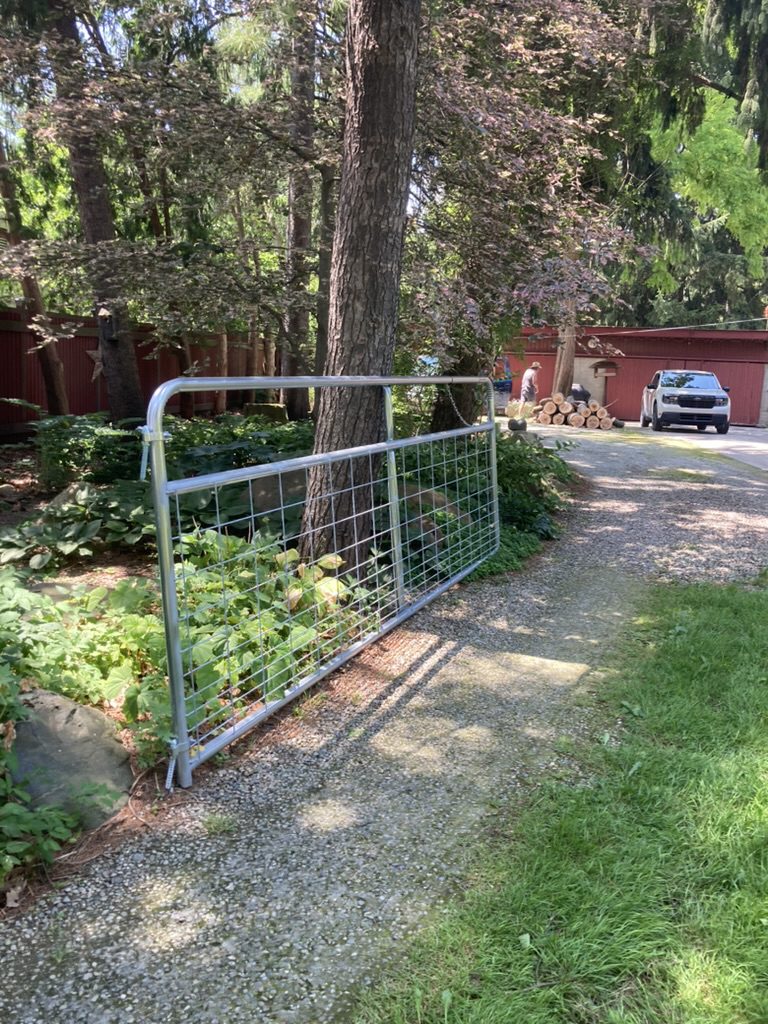
I could have done without replacing our gate, however that was a simple and straight forward task, and a lot less expensive than having to pay someone else to remove the tree!
With a little luck, the remaining work to be done will be limited to planned projects (: